

Slow drains can turn everyday routines into constant frustration. Showers start to pool around your feet, the kitchen sink takes forever to empty, and the washing machine leaves water standing longe...
Feb 11

Slow drains can turn everyday routines into constant frustration. Showers start to pool around your feet, the kitchen sink takes forever to empty, and the washing machine leaves water standing longer than it should. These problems often appear gradually, making it easy to blame old pipes or assume it’s just a temporary inconvenience. Over time, though, the issue spreads from one drain to another, turning a small annoyance into a house-wide concern. Ignoring these signs usually leads to bigger plumbing troubles, especially if the septic system hasn’t been maintained regularly.
In this blog post, our professionals from Metro Septic Pumping will show how routine septic pumping in Atlanta, GA can solve months of slow drains.
A septic tank is designed to separate solids from wastewater, allowing the liquid to flow into the drain field. As months pass, solid waste accumulates at the bottom of the tank, while grease and lighter materials float to the top. Without regular septic cleaning, this buildup reduces the available space inside the tank. Wastewater has less room to settle and separate, so it begins moving through the system more slowly. Drains throughout the house respond by becoming sluggish, and minor clogs may start to appear more frequently.
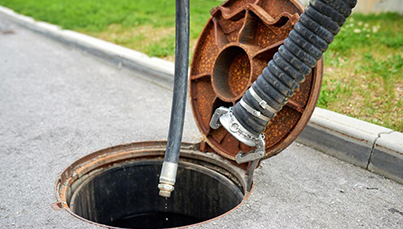
Septic pumping removes the accumulated sludge and scum from the tank, giving the system the space it needs to function efficiently. An expert septic company uses specialized equipment to extract waste safely and dispose of it according to local regulations. Once the tank is cleared, wastewater can again flow freely through the system. Drains begin to empty at normal speeds, and the overall performance of the plumbing improves. This simple service can resolve issues that have been causing inconvenience for months.
Slow drains are often the first warning sign of a tank that is nearing capacity. Ignoring these symptoms can lead to sewage backups, unpleasant odors, and damage to the drain field. Repairing or replacing parts of a septic system can be far more expensive than routine septic cleaning. Regular pumping keeps the tank at the proper level and reduces the strain on the entire system. This preventative approach protects both the plumbing and the property from major disruptions.
The drain field plays a vital role in the septic process by filtering wastewater into the soil. An overfilled tank can send solids into the drain field, clogging the soil and reducing its ability to absorb water. Once the drain field becomes saturated or blocked, slow drains can turn into standing water in the yard or persistent odors around the property. Scheduling septic service at recommended intervals prevents excess solids from reaching this area and keeps the system working as intended.
The ideal pumping schedule depends on household size, water usage, and tank capacity. Many homes benefit from septic pumping every three to five years, though some systems may require more frequent service. A trusted septic company can inspect the tank and recommend a schedule based on its condition and usage patterns. Following this guidance helps avoid the gradual buildup that leads to slow drains and other performance issues.
Routine septic cleaning provides more than just faster drains. It helps extend the lifespan of the entire septic system, reduces the risk of emergency repairs, and maintains a healthier environment around the property. A consistent maintenance schedule ensures that waste is handled properly and that each component of the system continues to perform as designed. Partnering with a reliable company gives peace of mind and keeps your plumbing running smoothly.
Are you in need of septic pumping? Luckily, we at Metro Septic Pumping have dedicated workers ready at your service. Contact our representatives for more questions.
Septic Pumping
Septic Cleaning
Septic Tank Installation
Septic Tank Repair
Septic Tank Inspection
Septic Tank Repair
Septic Tank Installation
Septic Tank Installation
Septic Tank Repair
Septic Tank Repair
Septic Tank Repair
Septic Tank Installation
Septic Tank Repair
Septic Tank Repair
Septic Tank Installation
Septic Tank Repair
Septic Tank Installation
Septic Tank Repair
Septic Tank Installation
Septic Tank Repair
Septic Tank Installation
Septic Tank Installation
Septic Tank Repair
Septic Tank Repair
Septic Tank Installation
Septic Tank Installation
Septic Tank Repair
Septic Tank Installation
Septic Tank Repair
Septic Tank Repair
Septic Tank Installation
Septic Tank Repair
Septic Tank Installation
Septic Tank Repair
Septic Tank Installation
Septic Tank Repair
Septic Tank Installation
Septic Tank Repair
Septic Tank Repair
Septic Tank Installation
Septic Tank Installation
Septic Tank Repair
Septic Tank Inspection

How Septic Tank Works?

