

The drainfield is easy to overlook as it looks like an ordinary patch of lawn. Beneath that grass, however, a network of perforated pipes and gravel treats the wastewater from your home. That system d...
Oct 14

The drainfield is easy to overlook as it looks like an ordinary patch of lawn. Beneath that grass, however, a network of perforated pipes and gravel treats the wastewater from your home. That system depends on loose soil and open space to work properly. Heavy weight above it can damage both, and the repair bill is often large.
In this blog post, our professionals from Metro Septic Pumping will explain why vehicles do so much harm, how to spot the damage, and how to protect your system.
Wastewater leaves the tank and flows into the drainfield, where it slowly soaks through gravel and soil. The soil filters out bacteria and other contaminants before the water reaches the groundwater. For that to work, air must stay available between the soil particles. This is why the field needs gentle treatment, along with regular septic pumping in Atlanta, GA of the tank upstream.
Weight is the main issue. Cars, trucks, and mowers compact the soil, which squeezes out the air that treatment depends on. Compacted soil cannot absorb water well, so wastewater backs up or pools on the surface, and heavy loads can also crush or shift the pipes underground. Once that happens, the system may fail early. A septic company can mark the field's location so everyone knows where to avoid.
Parking may seem harmless compared with driving, yet it applies steady pressure for hours or even days. Soil under a parked vehicle stays compressed and has little chance to recover. Guests and delivery drivers often park on lawns without knowing what lies below. Small flags or simple markers can keep them off the area, and clear signs near the driveway help as well.
Damage often shows up as changes in the yard and in the drains. Look for soggy spots, sewage odors, or grass that grows greener than the rest of the lawn. Slow drains and gurgling pipes inside the house can also point to trouble. Any of these signs deserves a prompt septic service call, since early action may limit repair costs.
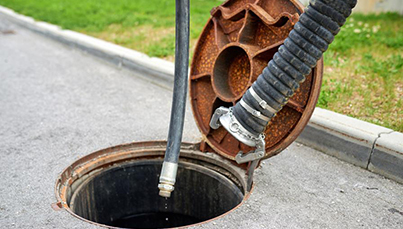
Recovery depends on how much damage has already occurred. Light compaction may improve over time if vehicles stay off the area, but crushed pipes or failed soil usually need professional repair or replacement, which can be costly. A septic company can test the field and explain the options, and routine septic cleaning helps by keeping solids out of the field in the first place.
Prevention costs far less than a repair, which is why keeping all vehicles and heavy equipment off the field matters even during yard projects. Planting grass helps the soil breathe, and avoiding deep-rooted trees nearby keeps roots from reaching the lines. Directing gutters and runoff away from the area also protects the field from excess water. Making sure to schedule septic pumping at the right moment is important too.
A drainfield works best when it's left alone, since the soil beneath it needs air and undisturbed ground to do its job. Keep vehicles away, watch for early warning signs, and stay on top of maintenance before small issues have a chance to grow. Pair those habits with septic cleaning and a trusted company, and the system should last for many years.
Are you in need of septic cleaning? Luckily, we at Metro Septic Pumping have dedicated workers ready at your service. Contact our representatives for more questions.
Septic Pumping
Septic Cleaning
Septic Tank Installation
Septic Tank Repair
Septic Tank Inspection
Septic Tank Repair
Septic Tank Installation
Septic Tank Installation
Septic Tank Repair
Septic Tank Repair
Septic Tank Repair
Septic Tank Installation
Septic Tank Repair
Septic Tank Repair
Septic Tank Installation
Septic Tank Repair
Septic Tank Installation
Septic Tank Repair
Septic Tank Installation
Septic Tank Repair
Septic Tank Installation
Septic Tank Installation
Septic Tank Repair
Septic Tank Repair
Septic Tank Installation
Septic Tank Installation
Septic Tank Repair
Septic Tank Installation
Septic Tank Repair
Septic Tank Repair
Septic Tank Installation
Septic Tank Repair
Septic Tank Installation
Septic Tank Repair
Septic Tank Installation
Septic Tank Repair
Septic Tank Installation
Septic Tank Repair
Septic Tank Repair
Septic Tank Installation
Septic Tank Installation
Septic Tank Repair
Septic Tank Inspection

How Septic Tank Works?

