

Slow drains and bad odors can signal anything from a minor clog to a serious septic issue, making it tough to know what you're really dealing with. These two scenarios often produce overlapping sy...
Aug 19

Slow drains and bad odors can signal anything from a minor clog to a serious septic issue, making it tough to know what you're really dealing with. These two scenarios often produce overlapping symptoms in their early stages, which makes an accurate diagnosis essential before any repair work begins. Understanding how professionals distinguish between the two can help set realistic expectations for the process ahead.
In this blog post, our professionals from Metro Septic Pumping will show how technicians quickly determine if you're facing a clog or a more significant tank issue.
The diagnostic process typically begins with a detailed conversation about what you've been experiencing, including which fixtures are affected and how the symptoms have progressed over time. A septic company in Atlanta, GA will ask about the timing, frequency, and severity of slow drains or backups, since these details often provide early clues about the underlying cause. This initial assessment helps pinpoint where to focus the physical inspection that comes next.
Technicians often start by ruling out simpler explanations, checking for blockages within the pipes leading from the house to the tank before assuming a more serious problem exists. A camera inspection can quickly reveal whether a clog, root intrusion, or collapsed section of pipe is responsible for the symptoms you're experiencing. If a localized blockage is found and cleared, symptoms usually resolve instantly, confirming it was just a clog and not a tank problem.
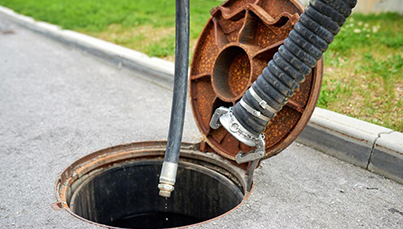
If pipes leading to the tank appear to be clear, the next step involves opening the tank itself to check sludge and scum levels, along with the overall structural condition of the tank. Full or nearly full tanks often point toward overdue septic pumping rather than mechanical failure, while cracks or significant corrosion suggest a more serious structural issue. This step is where the diagnosis shifts from a simple maintenance need to a larger repair conversation.
Sometimes symptoms that initially look like tank failure actually trace back to a saturated or failing drain field instead, which requires an entirely different repair approach. Standing water or unusually lush grass above the drain field, paired with a structurally sound tank, points to this alternative explanation. A septic service experienced in both tank and drain field issues can quickly tell the difference based on these combined observations.
Misdiagnosing a septic issue can lead to unnecessary repairs, wasted money, and a problem that continues to worsen while the actual cause goes unaddressed. Moving through this process systematically, starting with the simplest explanation and working toward more complex possibilities, ensures the right fix gets applied the first time. This approach also helps prevent the kind of repeat service calls that frustrate homeowners dealing with an ongoing issue, something a reliable septic service works hard to avoid.
Distinguishing between a simple clog and a tank failure requires a methodical process, not a decision based on surface-level symptoms alone. Working through the inspection steps in order, from pipes to tank to drain field, leads to a faster and more accurate diagnosis. Having a septic company experienced in this kind of troubleshooting, along with routine cleaning, is the best way to catch problems before they escalate.
Are you in need of septic cleaning? Luckily, we at Metro Septic Pumping have dedicated workers ready at your service. Contact our representatives for more questions.
Septic Pumping
Septic Cleaning
Septic Tank Installation
Septic Tank Repair
Septic Tank Inspection
Septic Tank Repair
Septic Tank Installation
Septic Tank Installation
Septic Tank Repair
Septic Tank Repair
Septic Tank Repair
Septic Tank Installation
Septic Tank Repair
Septic Tank Repair
Septic Tank Installation
Septic Tank Repair
Septic Tank Installation
Septic Tank Repair
Septic Tank Installation
Septic Tank Repair
Septic Tank Installation
Septic Tank Installation
Septic Tank Repair
Septic Tank Repair
Septic Tank Installation
Septic Tank Installation
Septic Tank Repair
Septic Tank Installation
Septic Tank Repair
Septic Tank Repair
Septic Tank Installation
Septic Tank Repair
Septic Tank Installation
Septic Tank Repair
Septic Tank Installation
Septic Tank Repair
Septic Tank Installation
Septic Tank Repair
Septic Tank Repair
Septic Tank Installation
Septic Tank Installation
Septic Tank Repair
Septic Tank Inspection

How Septic Tank Works?

